WASHINGTON, D.C. — August 26, 2026 — The U.S. State Department announced its intent to appoint four distinguished Americans to serve as Directors on the Board of the U.S. Foundation for Natural Security and Counterterrorism (USFNSC). The inaugural Board — to be comprised of Samuel Robson Walton, L. Daniel Hammond, Joseph C. Semsar, and Dr. Ari Novy — will provide the leadership and governance required to achieve the foundation’s mission of strengthening U.S. natural security, advancing regional stability, and mobilizing private‑sector resources to support protected and conserved areas worldwide.
The legislation to establish the foundation, originally introduced in December 2024 as the U.S. Foundation for International Conservation Act, was championed in a nonpartisan fashion by Co‑Chairs of the International Conservation Caucus with the conviction that protected and conserved areas are not only vital for biodiversity, but are essential components of natural security, a concept linking healthy ecosystems to regional stability, economic resilience, and U.S. national‑security objectives.
With its Board now in place, the foundation can begin delivering on Congress’s intent: advancing U.S. natural security, countering destabilizing forces abroad, and reinforcing American leadership through strategic conservation:
- It activates the foundation’s legal authority: The foundation cannot deploy funds, enter partnerships, or approve projects until a governing board is in place. Appointment of the Board marks the transition of the foundation from legislation to functioning institution.
- It establishes accountability and oversight: Congress designed the foundation to be lean, efficient, and subject to annual appropriations. The Board is the mechanism that ensures transparency, fiduciary responsibility, and adherence to Congressional intent.
- It enables strategic decision‑making: The Board sets priorities, approves project pipelines, and determines how public and private funds will be leveraged. Without it, the foundation cannot begin identifying or supporting implementation‑ready conservation projects.
- It unlocks private‑sector participation: Private donors and philanthropic partners require a formal governance structure before committing funds. The Board’s appointment signals that the foundation is ready to receive and administer private capital at scale.
- It marks the operational launch of a new U.S. foreign policy tool: The foundation is designed to strengthen natural security, regional stability, and U.S. leadership abroad. The Board’s appointment is the first step in deploying this new instrument of strategic conservation.
Why it Matters
Healthy, well‑managed protected areas reduce the drivers of instability: they secure water supplies, support food systems, reduce poverty, and limit the illicit economies that fuel criminal networks and extremist groups. Conversely, poorly governed natural resources create openings for corruption, exploitation, and foreign adversaries seeking influence through extractive practices.
The global financing gap for protected and conserved areas—estimated at more than $1.7 billion per year—is therefore not only an environmental challenge but a national‑security vulnerability. The passage of the USFNSC, and now the appointment of its Board, positions the United States to address this gap by mobilizing private‑sector resources through a public‑private partnership that complements and strengthens the work of federal agencies.
The USFNSC establishes and funds a charitable nonprofit to:
- Promote the long‑term management of protected and conserved areas in developing countries;
- Identify and support implementation‑ready projects;
- Benefit indigenous peoples and local communities;
- Encourage, accept, and administer private funds, leveraging public contributions at a 1:2 ratio.
This model represents a new, innovative approach to advancing U.S. national security through natural‑resource governance. It:
- Deploys resources leveraged by the private sector, reducing the burden on U.S. taxpayers.
- Is focused and subject to annual appropriations, ensuring accountability.
- Is structured to operate with private‑sector efficiency while advancing America’s security, economy, and global leadership.
- Stretches tax dollars further, bringing peace, stability, and prosperity to strategic regions and delivering tangible results for the American people.
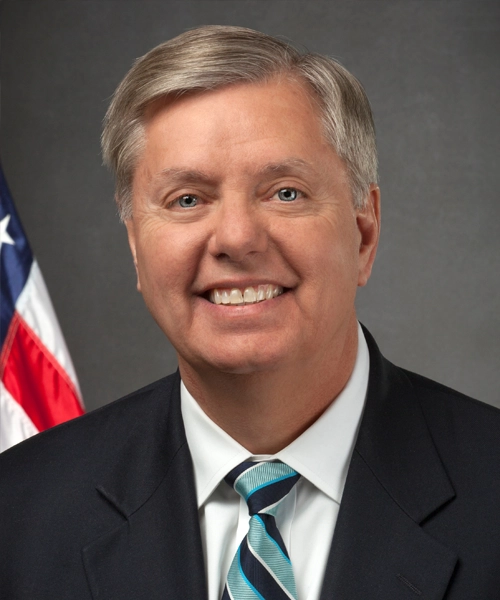
"The foundation is a win‑win in that the bill leverages private capital while supporting the long‑term protection of critical landscapes around the world (…) Investments in conservation lead to food security and regional stability."
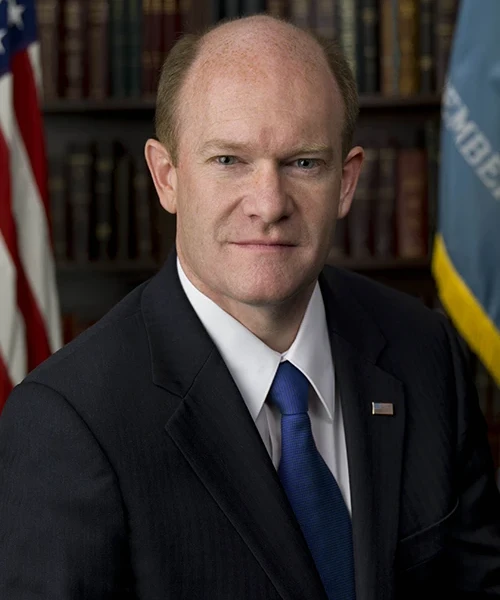
"The foundation funds public‑private partnerships to support local communities around the world in effectively managing protected and conserved areas. This bipartisan bill increases the flow of private and philanthropic capital, in coordination with U.S. government investment, to conserve biodiversity, promote stability and security, and ensure the communities who live and work around protected areas drive their own future."
 Regional Headquarters