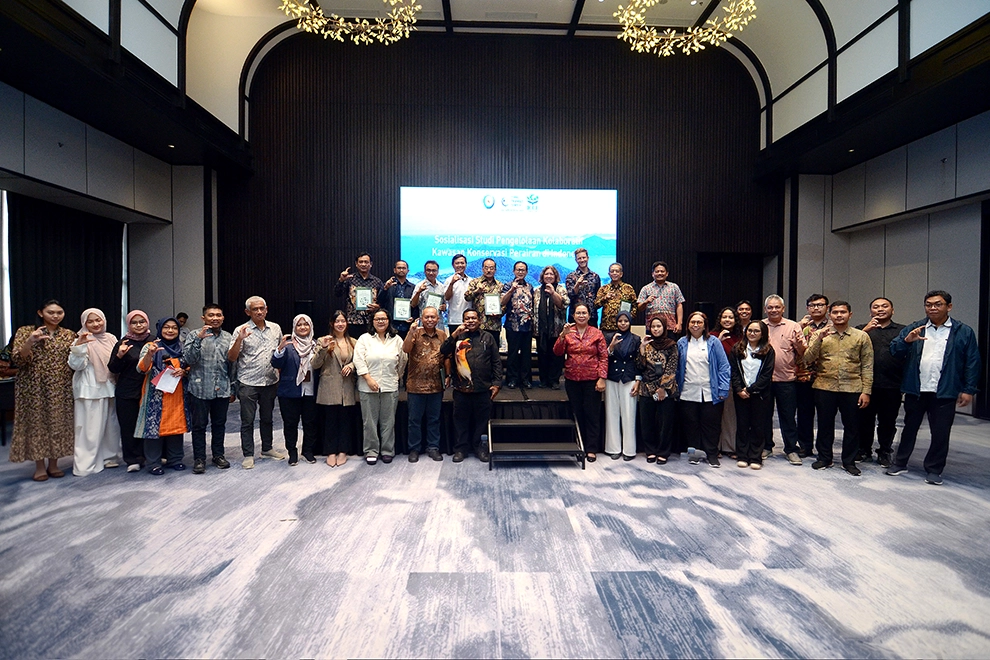
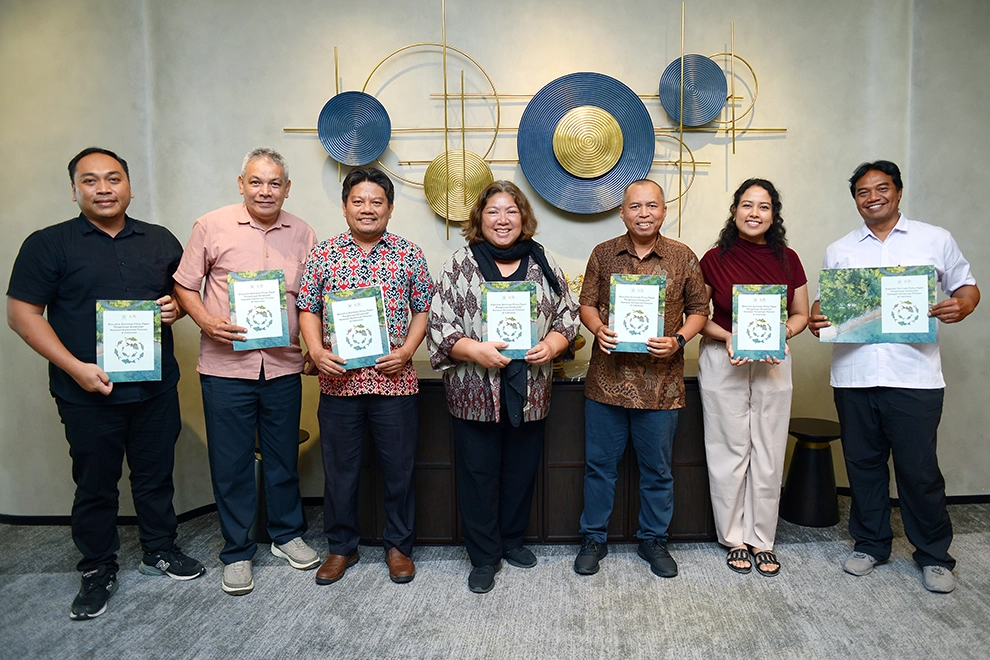
On August 20, 2026, ICCF Indonesia and the Coral Triangle Center (CTC) convened a national policy dialogue to disseminate the findings of their jointly undertaken study, "Collaborative Management (Co-Management) of Marine Protected Areas in Indonesia."
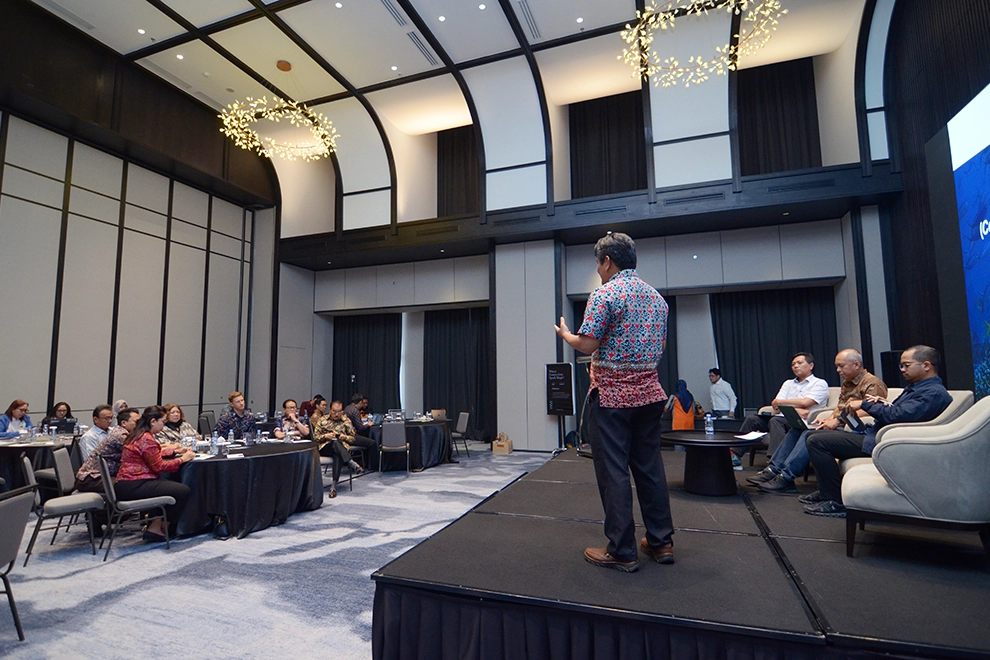
The event brought together representatives of Parliament, national and regional governments, marine protected area management units, universities, civil society organizations, and conservation practitioners.
Parliamentary participants included Hon. Prof. Rokhmin Dahuri, Member of Commission IV and Strategic Adviser to the DPR-RI Conservation Caucus; Hon. Robert Kardinal, Member of the DPR-RI and representative of the Conservation Caucus from Southwest Papua; Hon. Erwin Akyal of Golkar, Member of the Papua Barat Daya Provincial DPRD; and Hon. Putu Yuni Widyadnyani, Member of the Tabanan Regency DPRD.
Their participation demonstrated that effective co-management requires alignment across all levels of government: national institutions establish the regulatory and financing framework, provincial governments exercise key marine-management authority, and district governments connect conservation with coastal livelihoods, tourism, village development, and community participation.
Key Study Findings
In her opening remarks, CTC Executive Director Rili Djohani emphasized that conservation must reflect local ecological, cultural, and social conditions.
ICCF Asia Director James Ward stressed that designating marine protected areas is not enough without effective management, community support, clear responsibilities, and sustainable financing.
"Conservation is not merely about restriction, but about protecting ecosystems connected to culture and communities. (...) The dissemination of this study is the beginning of implementation, not the end."
CTC Senior Marine Conservation Advisor Marthen Welly presented the study’s findings on existing practices, institutional challenges, and lessons for strengthening collaborative management.
The study found that roles among the Ministry of Marine Affairs and Fisheries, Ministry of Forestry, regional governments, management units, communities, and partner organizations remain insufficiently defined or balanced. Existing coordination mechanisms also tend to operate as discussion forums rather than platforms for joint action and shared decision-making.
Other challenges include limited and inconsistent financing, dependence on short-term partnerships, uneven human-resource capacity, and gaps between formal management plans and implementation at the local level.
The study proposed several areas for policy action
- Clarifying the roles, responsibilities, benefits, and decision-making authority of each management partner.
- Strengthening the regulatory framework and practical guidance for co-management.
- Developing institutions that support joint decisions and accountability, rather than consultation alone.
- Integrating marine protected area management into government planning and budgeting systems.
- Establishing incentives and mechanisms for public, private, philanthropic, and blended financing.
- Strengthening the meaningful participation of Indigenous Peoples, local communities, women, and vulnerable groups.
- Measuring ecological, social, and economic outcomes, including tangible benefits for surrounding communities.
The findings were reviewed by four government respondents
- Karizki Hadyanafi, Head of the Coastal and Marine Division, Ministry of National Development Planning/Bappenas.
- Herri Binarasa Putra, Head of the Effective Conservation Area Management Working Team, Ministry of Marine Affairs and Fisheries.
- Dian Risdianto, Head of the Subdirectorate for Conservation Area Management Control, Ministry of Forestry.
- Dr. Tantri Lisdiawati, M.Si, Head of the Subdirectorate for Marine Affairs and Fisheries, Ministry of Home Affairs.
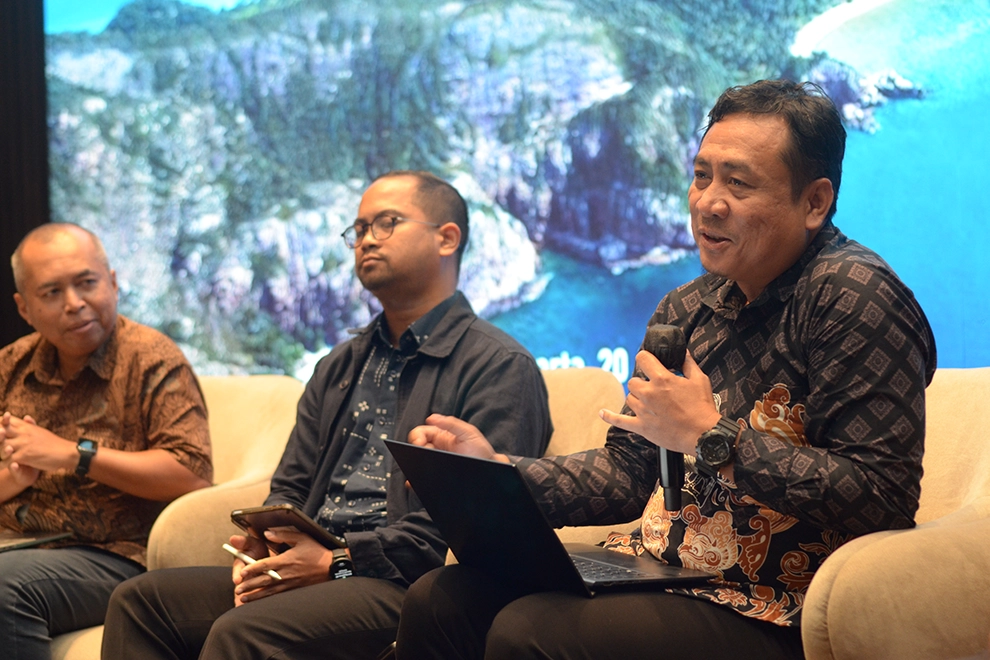
The respondents welcomed co-management as an important approach for strengthening conservation. They highlighted the need for clearer regulations, practical guidance for regional governments, sustainable institutions beyond project periods, integration into regional planning, and credible models for attracting additional financing.
Parliamentary and Regional Perspectives
Prof. Rokhmin argued that conservation should provide a middle path between ecological protection and economic development. He recommended measuring success through ecological, social, and economic indicators and expressed support for raising the study’s recommendations through Commission IV.
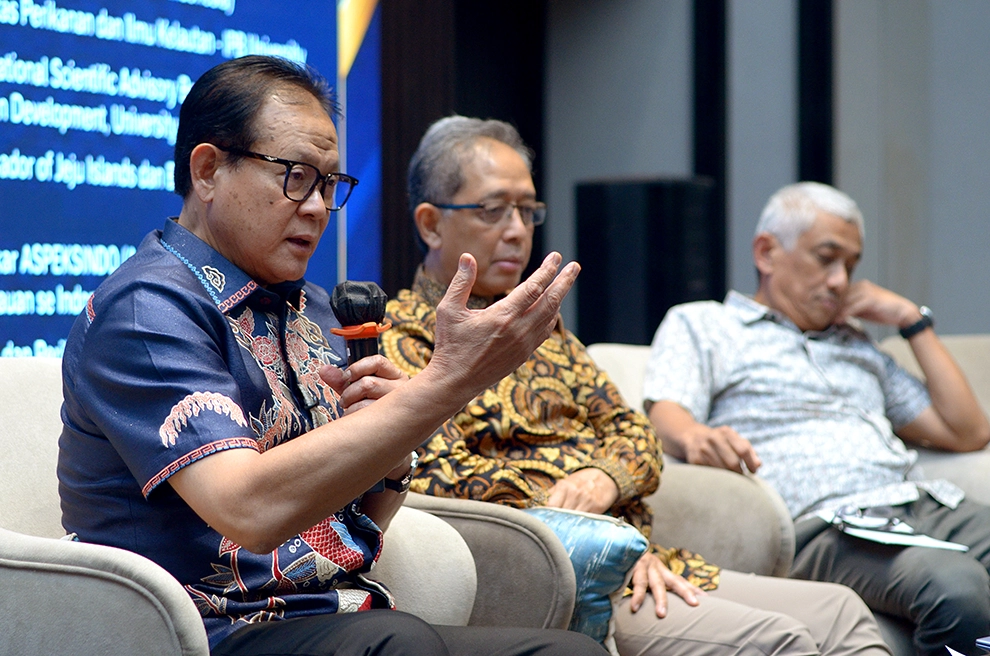
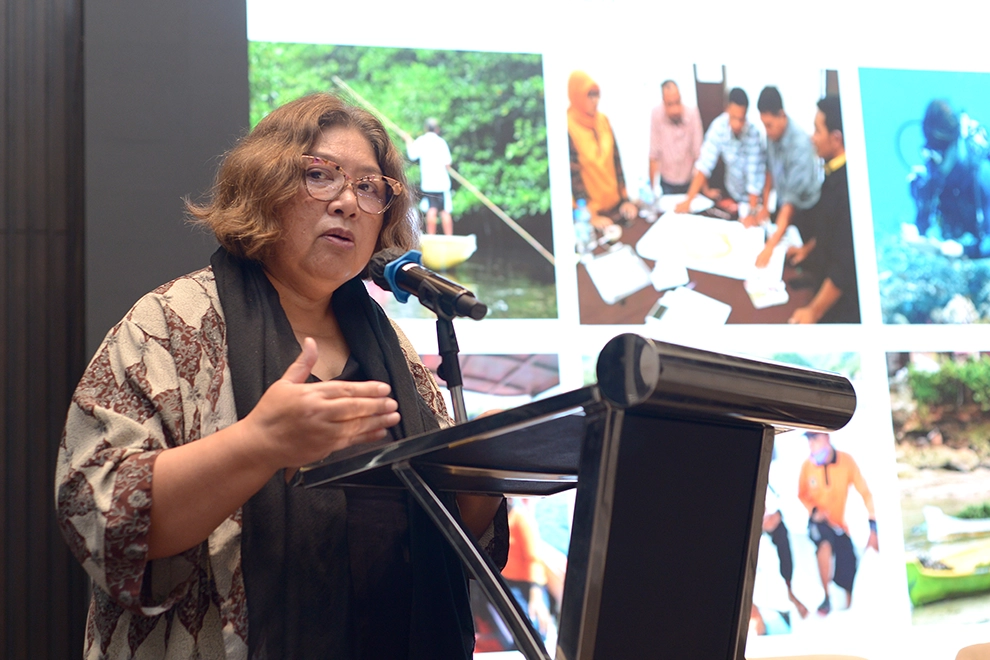
Above: Hon. Prof Rokhmin Dahuri (Member of Commission IV DPR RI; Conservation Caucus)
Hon. Robert Kardinal’s participation connected the national parliamentary discussion with Raja Ampat in his Papua Barat Daya constituency. Raja Ampat’s Gold EVIKA status demonstrates progress in management effectiveness, but regional participants emphasized that formal ratings must also translate into visible benefits for communities.
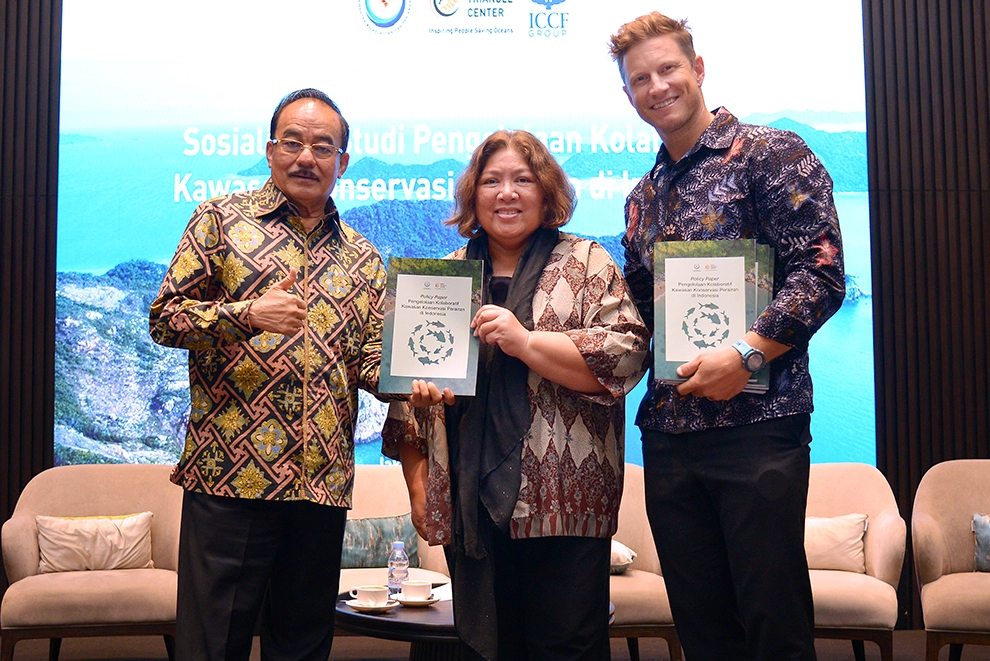
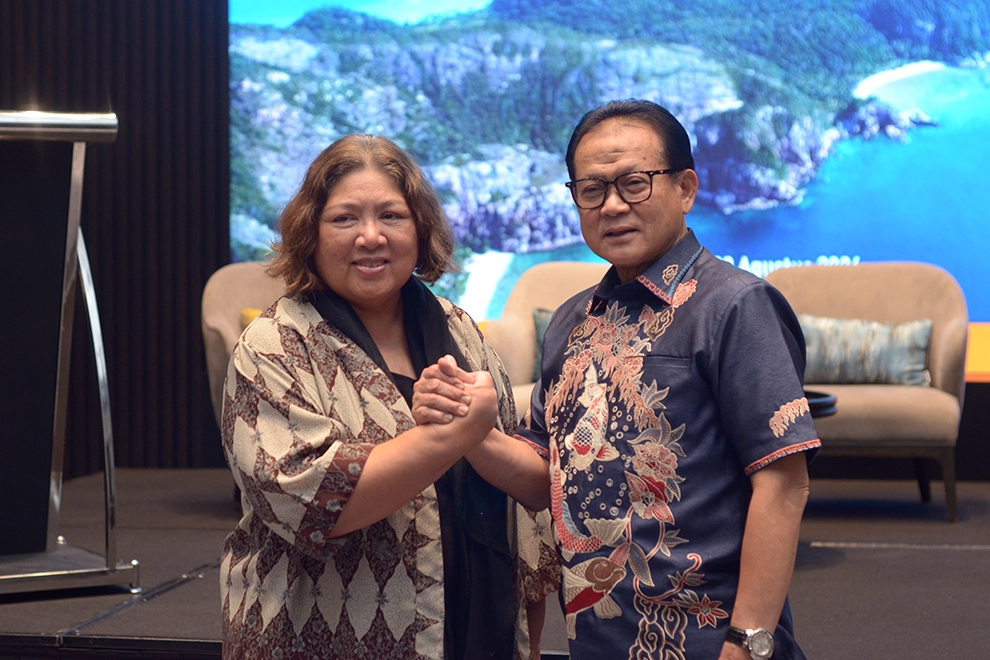
Above, from left to right: Hon. Robert Kardinal (Member of Commission IV DPR RI; Conservation Caucus), Rili Djohani (CTC Executive Director), James Ward (ICCF Asia Director)
Hon. Erwin Akyal described the economic pressures facing communities in parts of Raja Ampat, where activities such as nickel mining may offer more immediate material benefits than conservation.
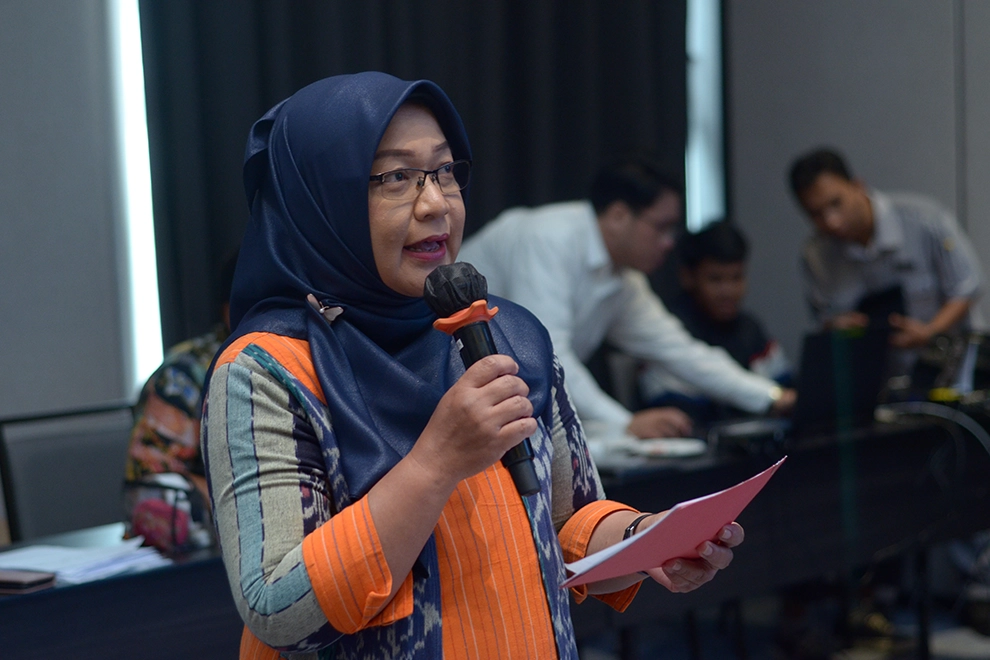
Hon. Putu Yuni Widyadnyani brought a district-level perspective from Tabanan, highlighting the importance of connecting marine conservation with local development, livelihoods, tourism, and community participation.
Institutional and Financing Transformation
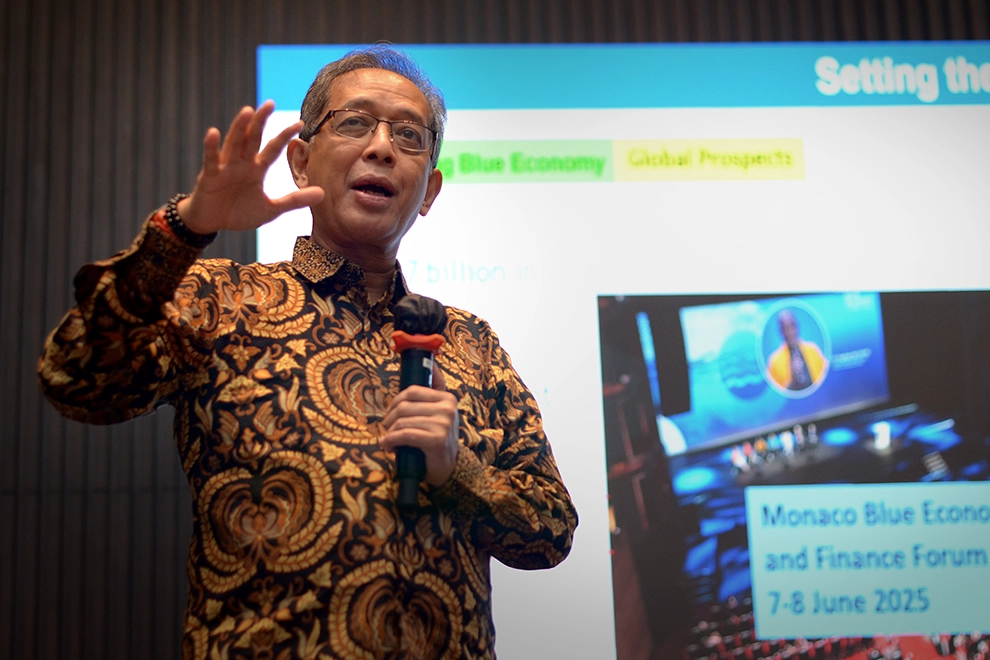
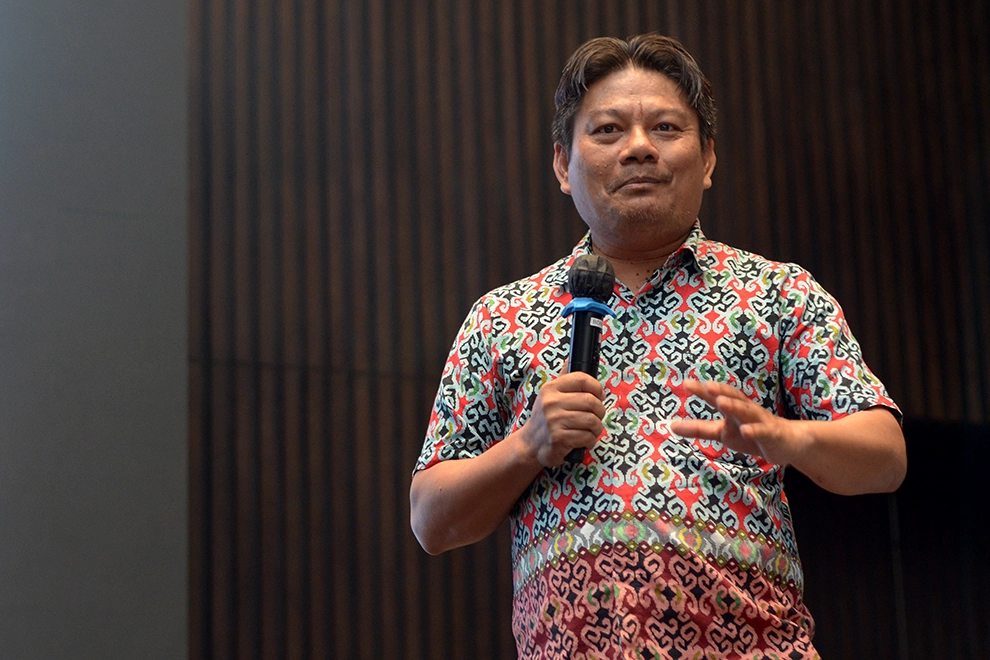
Above: Prof. Luky Adrianto, IPB University on institutional transformation
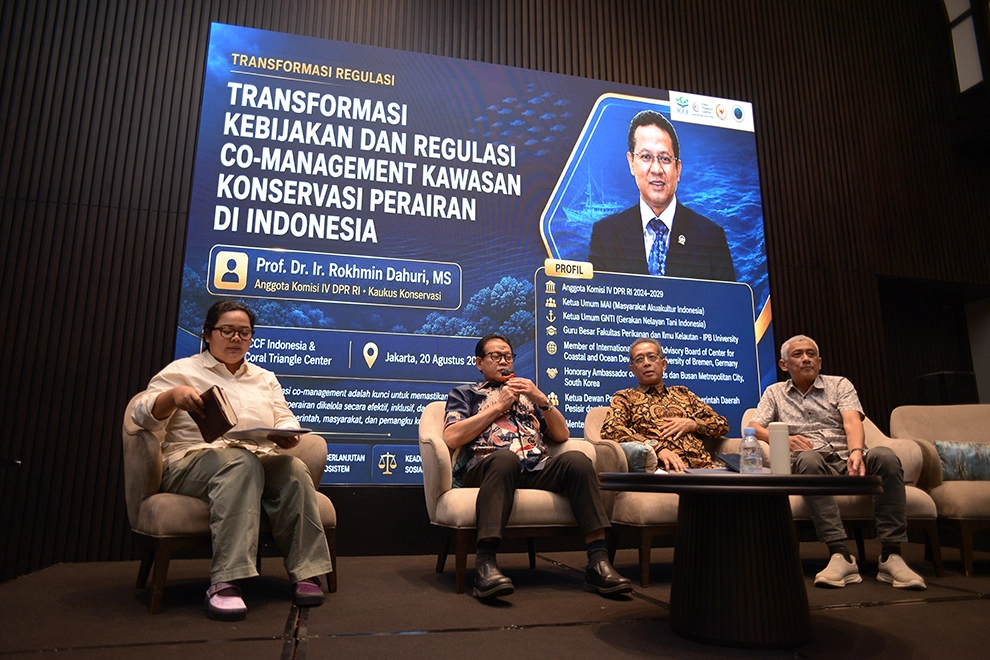
Panel 2 featured Prof. Rokhmin Dahuri on regulatory transformation; Prof. Dr. Luky Adrianto of IPB University on institutional transformation; and Mulkan, Head of the Fundraising and Service Development Division at BPDLH, on financing transformation.
Prof. Luky encouraged a transition from co-management towards co-governance, in which communities and other partners participate directly in governance and decision-making. He also argued that conservation financing should be treated as an investment rather than solely as a management cost.
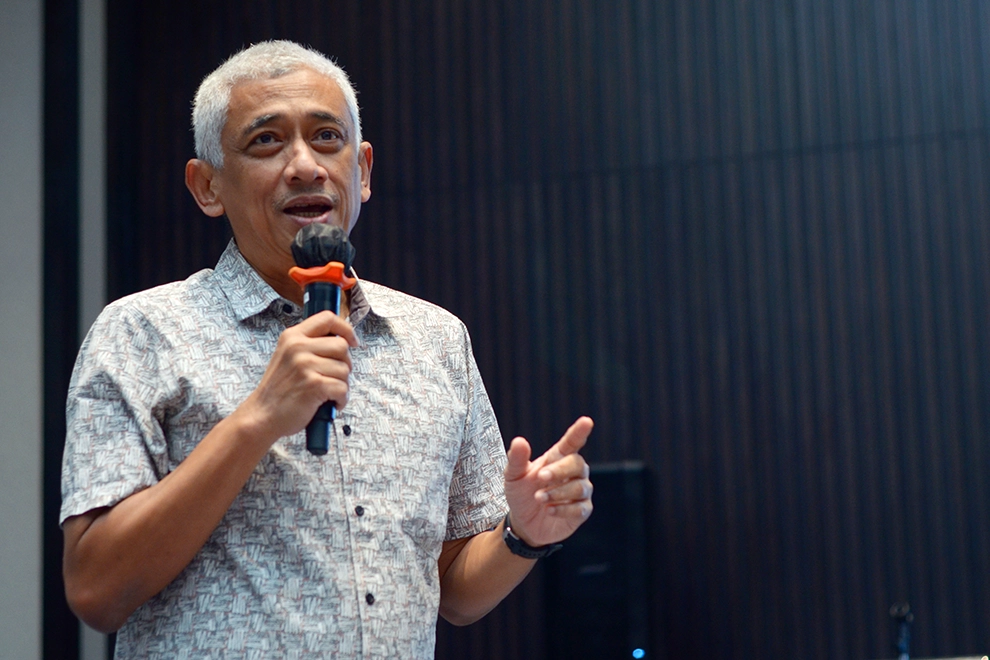
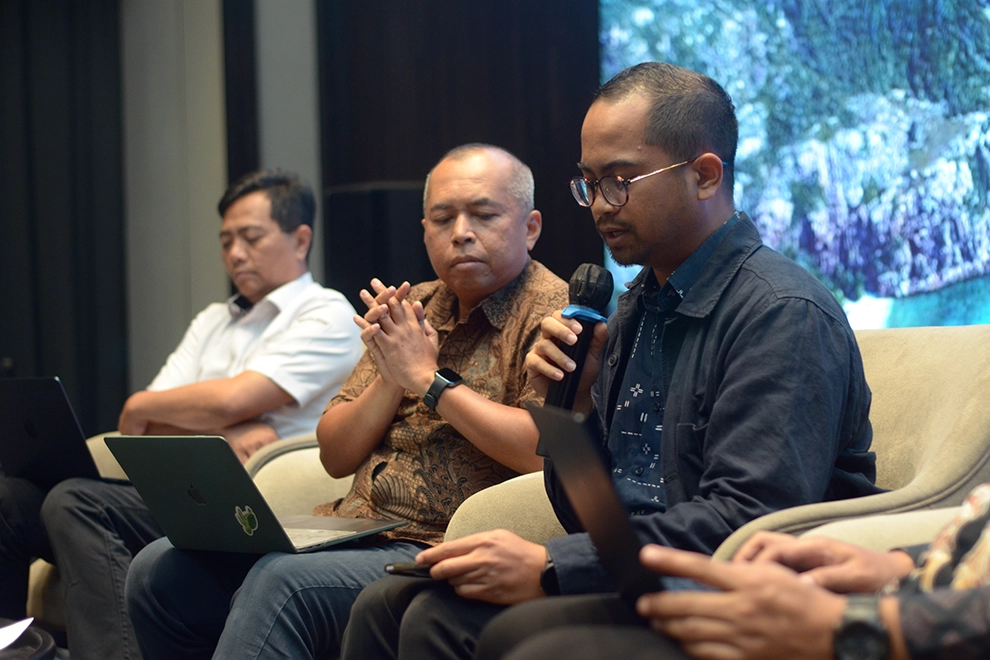
Above: Mulkan, Head of the Fundraising and Service Development Division at BPDLH
Mulkan highlighted opportunities to combine public funding, grants, concessional finance, and private investment through blended-finance arrangements, while ensuring that financing produces measurable environmental and social impacts.
Next Steps
The dialogue identified five priorities
- Translate the joint CTC-ICCF Indonesia study into concrete policy and implementation;
- Move from consultation towards shared decision-making and accountability.
- Align national regulations and financing with provincial authority and district-level priorities.
- Integrate conservation into government planning and budgeting while diversifying long-term financing.
- Measure conservation success through ecological, social, economic, and community outcomes.
The event reinforced that Indonesia’s marine conservation ambitions will require more than expanding protected areas. They will depend on stronger institutions, shared authority, sustainable financing, parliamentary support, and tangible benefits for communities.
Policy Paper Download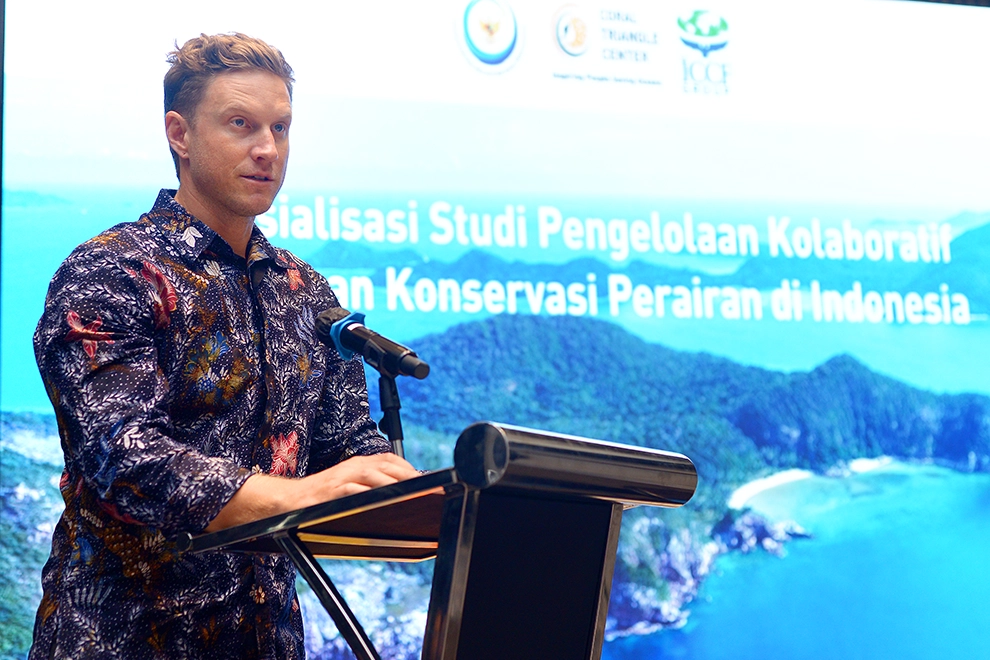
 Regional Headquarters