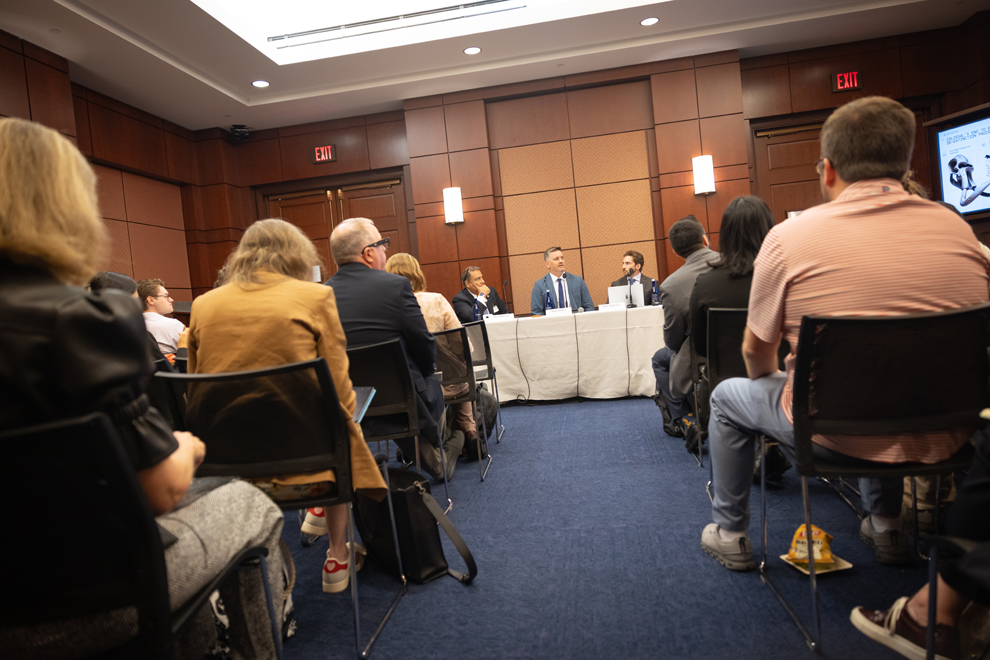
ICCF convened a Congressional staff briefing to explore how emerging technologies — including artificial intelligence, biotechnology, genomics, remote sensing, and advanced data analytics — are rapidly reshaping the future of global conservation. The session brought together leading innovators whose work is demonstrating how cutting‑edge tools can strengthen U.S. leadership in biodiversity protection, ecosystem resilience, and natural security.
Technology at the Front Lines of Conservation
The briefing featured Matt James, CEO of the Colossal Foundation and Chief Animal Officer of Colossal Biosciences, and Alex Dehgan, CEO of Conservation X Labs and former Chief Scientist for USAID — two leaders at the forefront of applying biotechnology, AI, and advanced analytics to global conservation challenges.
Both speakers emphasized that conservation is entering a new era — one defined not only by fieldwork and traditional ecological science, but by powerful technological capabilities that allow practitioners to detect threats earlier, respond faster, and scale solutions globally.

Left to Right:Alex Dehgan, CEO of Conservation X Labs and former Chief Scientist for USAID; Matt James, CEO of the Colossal Foundation and Chief Animal Officer of Colossal Biosciences; and Dan Mahoney, Deputy Director, US Program, ICCF.
Matt James highlighted how biotechnology and genomics are unlocking new pathways for species protection, from advanced genetic rescue tools to innovations that strengthen population resilience. He underscored how these technologies can help address biodiversity loss at a pace and scale previously impossible.
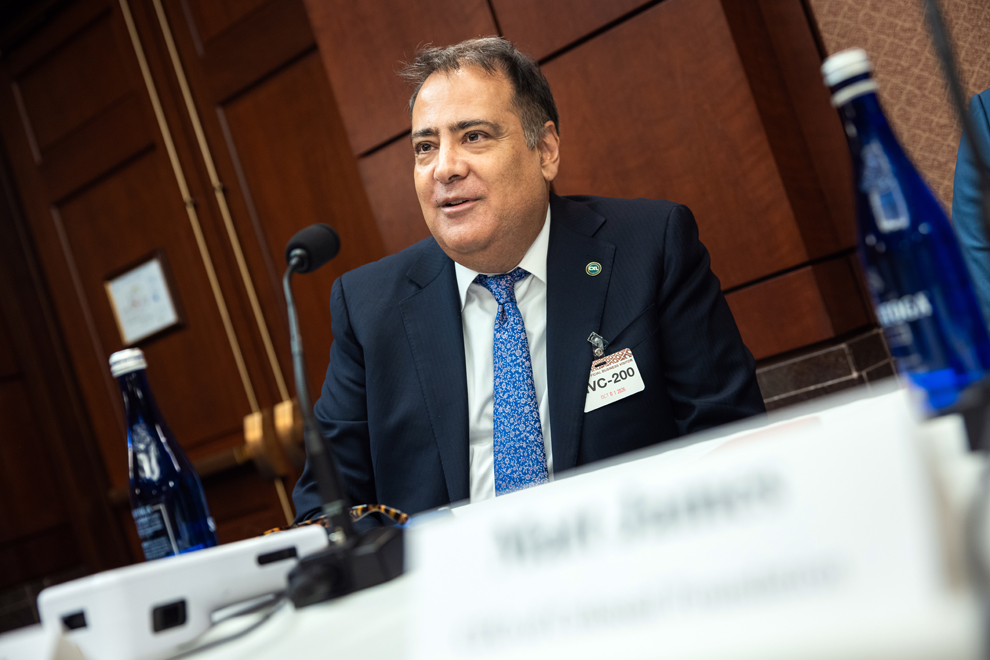
Alex Dehgan discussed how AI, remote sensing, and advanced analytics are transforming the ability to monitor ecosystems, predict emerging threats, and disrupt illegal wildlife trade and other environmental crimes. He emphasized that these tools are essential for improving governance, supporting frontline communities, and strengthening U.S. global leadership in conservation innovation.
A Strategic Opportunity for Congress
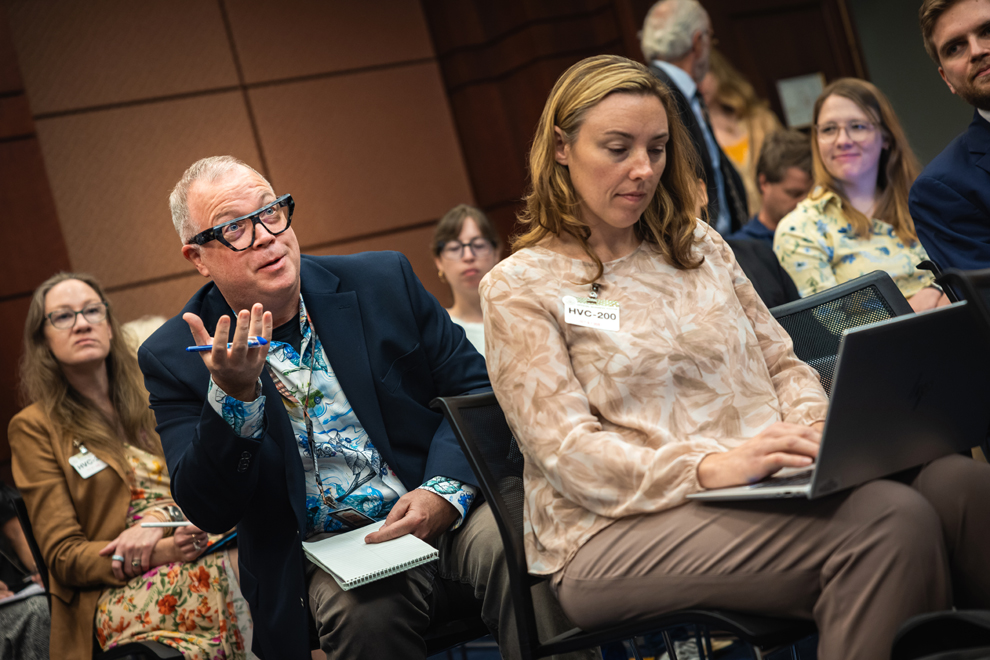
Throughout the briefing, speakers reinforced that these technologies are not abstract future concepts — they are active tools already being deployed across the world. Their integration into conservation policy offers Congress new opportunities to:
- Improve early detection of ecological decline
- Strengthen natural security and counter illicit environmental economies
- Enhance U.S. competitiveness in global conservation innovation
- Support science‑based decision‑making and more efficient resource allocation.
ICCF extends its appreciation to the speakers and to the Congressional staff who joined this timely discussion. As biotechnology and AI continue to evolve, ICCF remains committed to supporting Congress with the insights, partnerships, and expertise needed to ensure the United States leads in applying these technologies to protect biodiversity, strengthen ecosystems, and advance natural security.
 Regional Headquarters