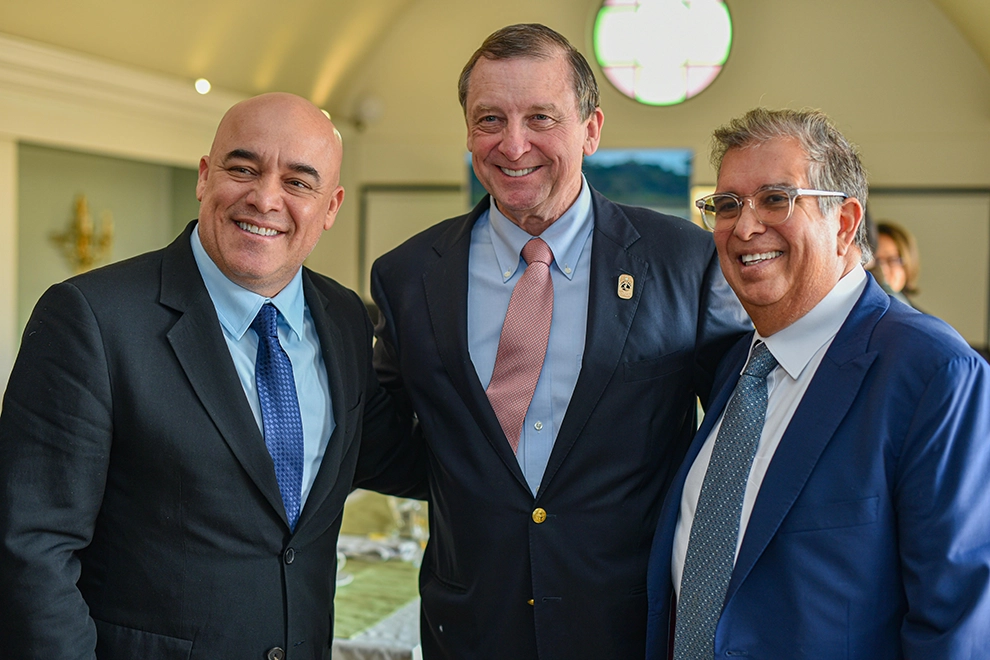
The Ministry of Environment and Sustainable Development and the Congress of the Republic of Colombia convened to present the “ABC Agenda” of Patria Milagro, review Colombia’s conservation priorities, and examine how these objectives align with the country’s broader sustainable development goals.
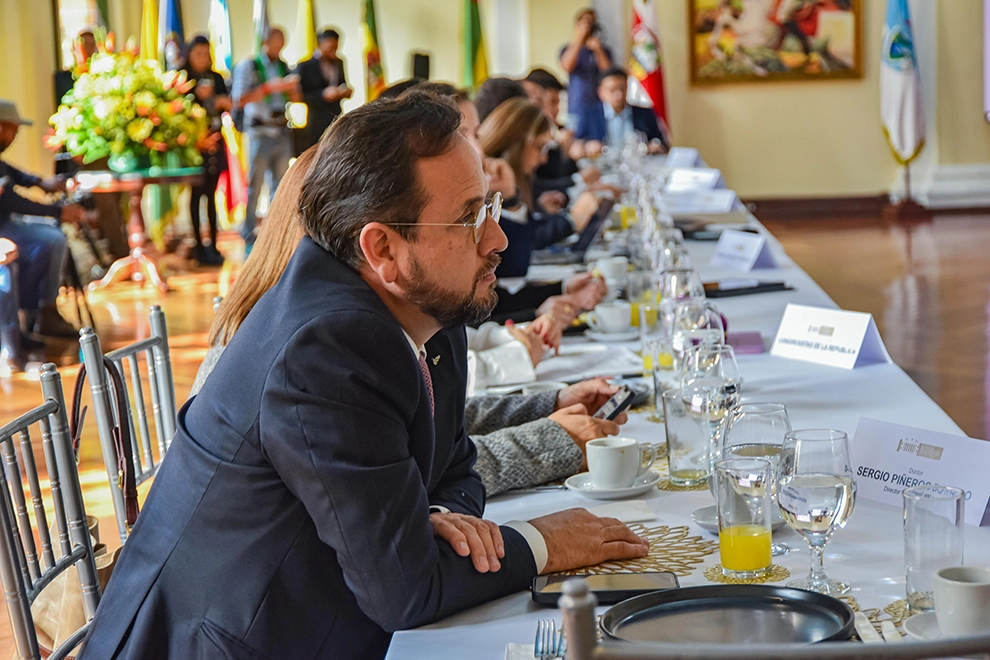
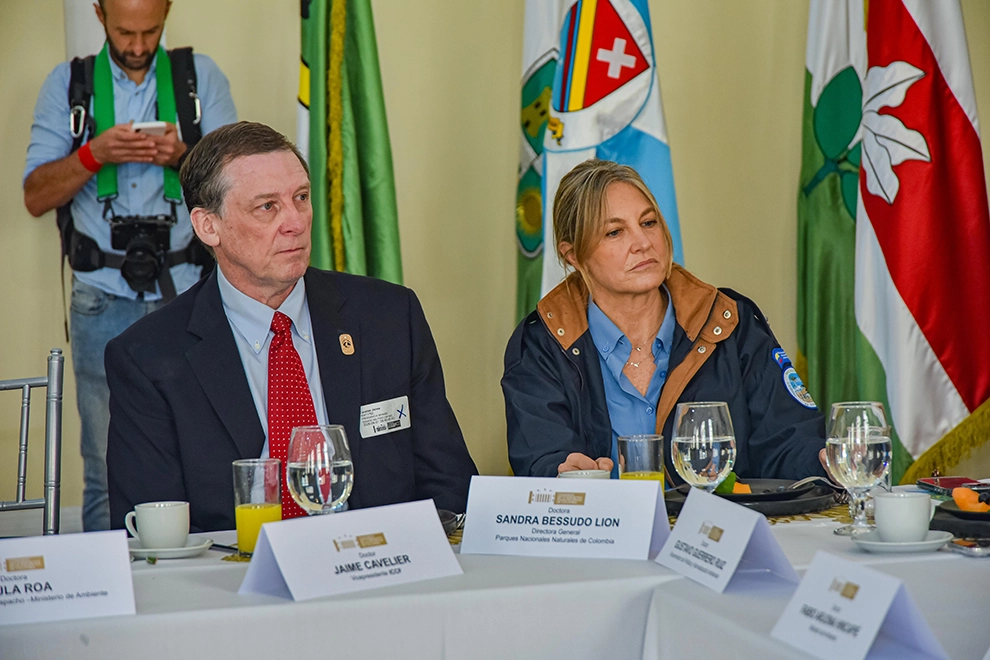
In a country like Colombia—recognized for its extraordinary biodiversity and the strategic importance of its natural resources—protecting natural capital also means safeguarding the conditions that make development possible. With this vision, Minister of Environment and Sustainable Development Fabio Arjona, together with Vice Ministers David Olarte and Gustavo Adolfo Guerrero; Sergio Piñeros, Director of the National Authority for Environmental Licenses (ANLA); and Sandra Bessudo, Director of National Natural Parks, held two working meetings with the Congress of the Republic, with the support of ICCF Colombia.
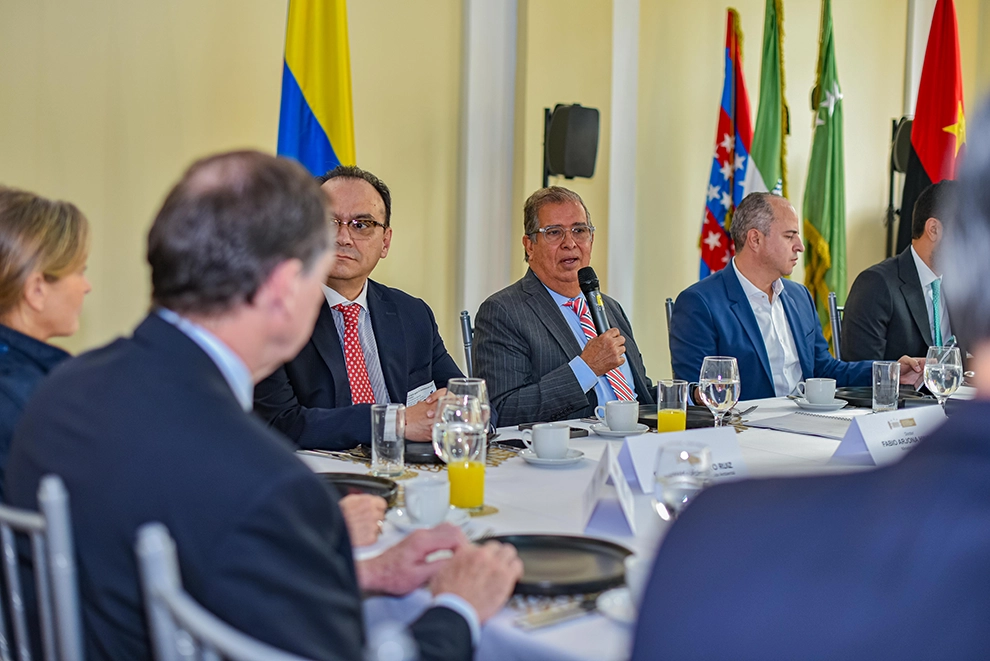
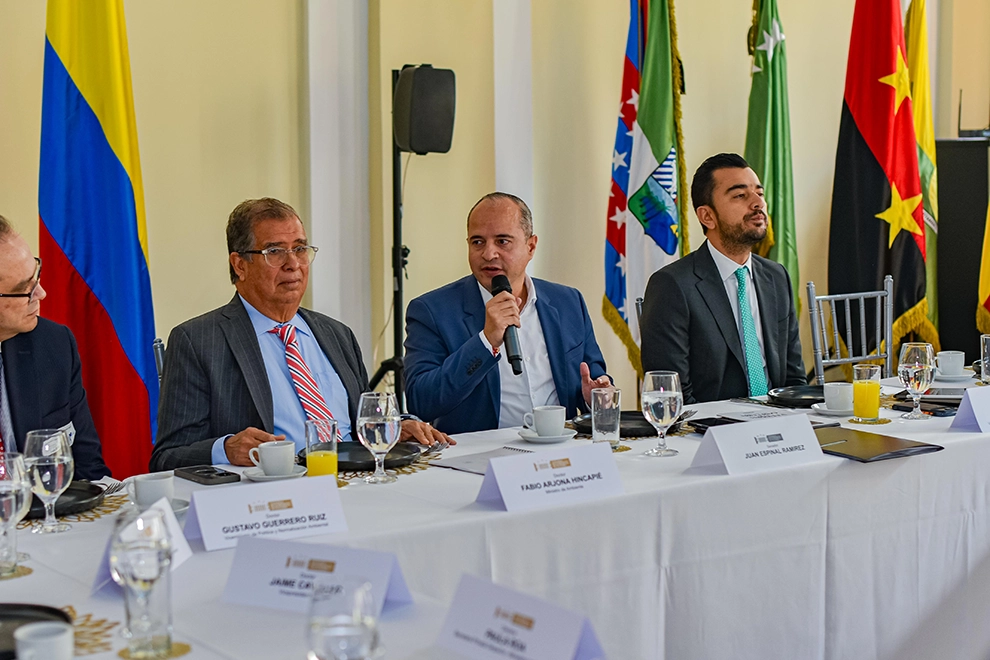
Minister of Environment and Sustainable Development Fabio Arjona addresses participants during the first meeting convened by the President of the Senate, the Hon. Senator Honorio Henríquez.
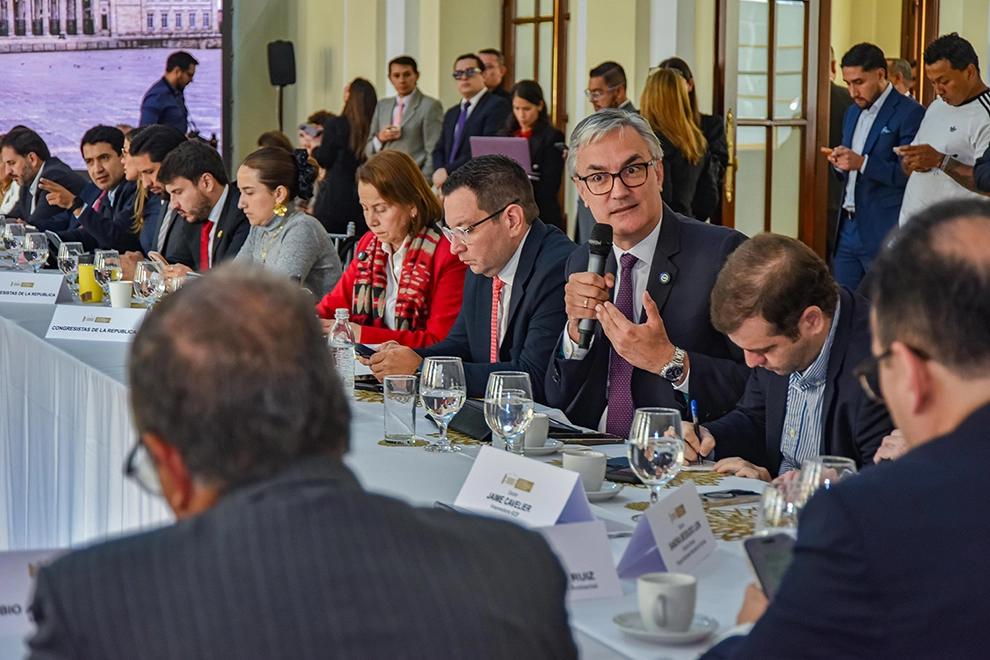
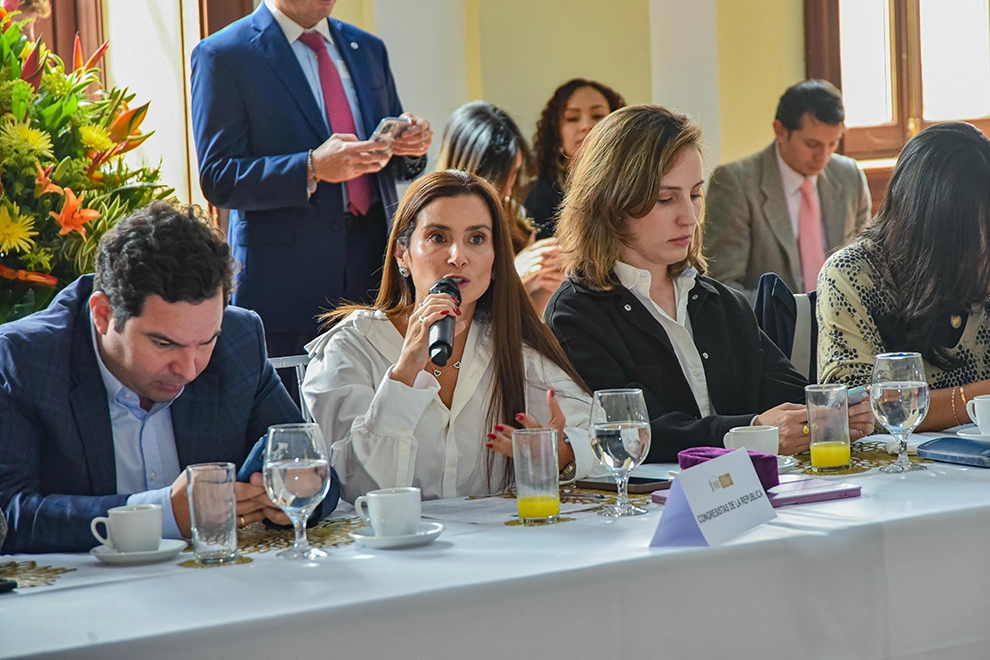
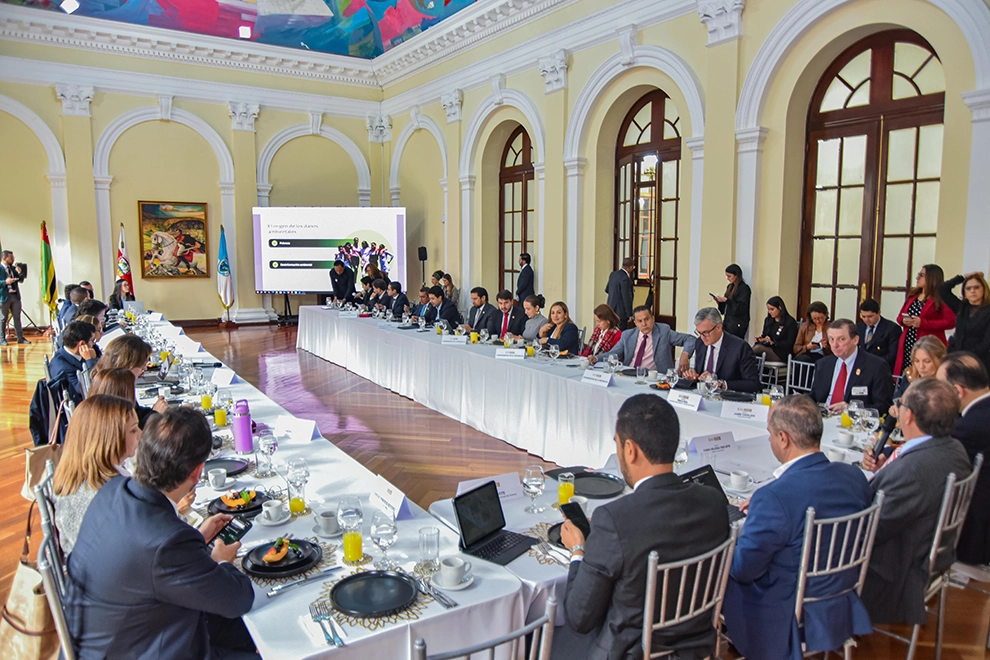
The first meeting was convened by the President of the Senate, the Hon. Senator Honorio Henríquez, together with members of the Centro Democrático Party. The second brought together the leadership of the Senate and the House of Representatives, as well as the chairs of the Environmental Committees of both chambers. From the Senate, its Vice President, the Hon. Senator Gonzalo Baute participated; and from the House of Representatives, the President of the Fifth Committee, the Hon. Representative Julio Roberto Salazar, and its Vice President, the Hon. Representative Mateo Hidalgo Montoya, participated.
The meetings were grounded in the fundamental premise that sustainable development is not a sectoral issue but a cross‑cutting state policy. The responsible management and stewardship of natural capital are enabling conditions for water security, investment, productivity, and national development.
Discussions highlighted the importance of strengthening collaboration between the executive and legislative branches to build the institutional and regulatory conditions needed to advance toward a competitive and regenerative development model—one capable of creating opportunities for communities while protecting the ecosystems on which they depend and which constitute one of the country’s most valuable assets.
This dialogue represents a step toward a joint working agenda that builds bridges between conservation, development, and public decision‑making. It also contributes to more informed decision-making within Congress, in coordination with government, the private sector, NGOs, and communities, in the development of multisectoral solutions to Colombia’s major environmental challenges.

 Regional Headquarters