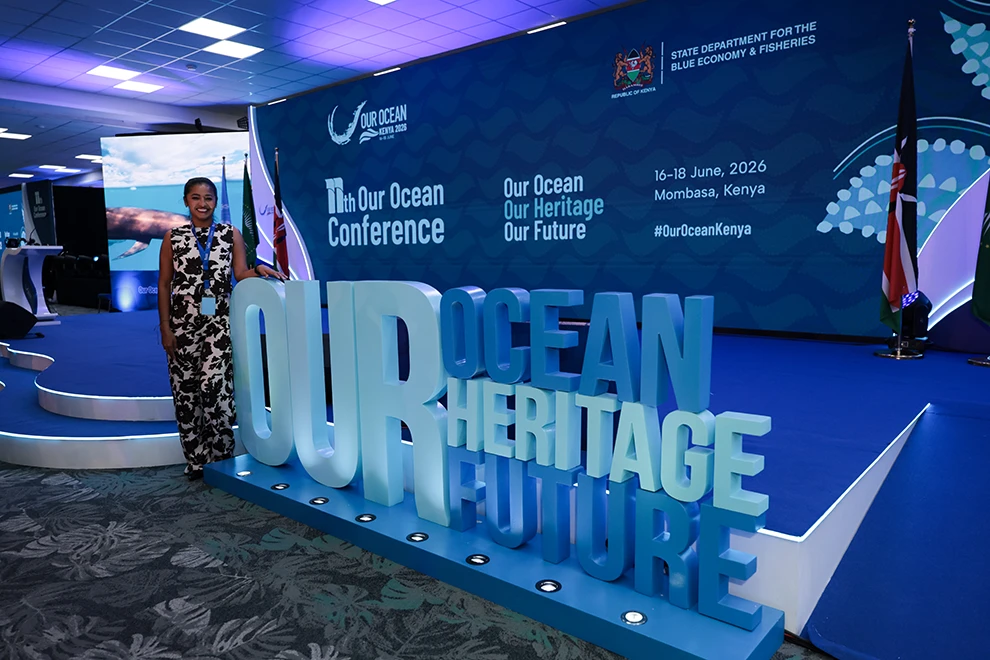
The 11th Our Ocean Conference (OOC11) was held from June 16-18, 2026, in Mombasa, Kenya with the theme "Our Ocean, Our Heritage, Our Future."
The summit, hosted for the first time on African soil, highlighted global ocean action and focused on the critical role that the ocean plays in shaping culture, communities, and livelihoods.
Launched in 2014 by the U.S. Department of State under then-Secretary of State John F. Kerry, the OOC brings together governments, private sector, and civil society organizations to make voluntary commitments on ocean conservation and sustainable ocean management. Since then, the OOC has become a global call to action for the ocean, mobilizing over 3,000 commitments worth approximately $175 billion (USD).
Under Kenya’s leadership, the OOC11 aimed to move "the global ocean agenda from dialogue to delivery, placing jobs, equity, and healthy oceans at the center of international cooperation."
ICCF Group Parliamentary Participants
- Hon. Charity Chepkwony, Parliamentary Conservation Caucus Kenya, Co-Chair
- Hon. Shimbwa Omar, Parliamentary Conservation Caucus Kenya
- Hon. Dorothy Ikiara, Parliamentary Conservation Caucus Kenya
- Hon. Germán Alcides Blanco Álvarez, Colombia Conservation and Ocean Caucuses, Co-Chair
- Hon. Julio Roberto Salazar Perdomo, Colombia Conservation and Ocean Caucuses, Co-Chair
- Hon. Azucena Arreola Trinidad, Mexico Oceans Caucus, Co-Chair; Fisheries Committee of the Mexican Congress, Chair
- Hon. Publio Rivera Rivas, Director of Parliamentary Affairs, Mexico Ministry of Environment and Natural Resources (SEMARNAT)
- Hon. Rina Sa’adah, Indonesia Oceans Caucus
- Hon. Professor Rokhmin Dahuri, Indonesia Oceans Caucus
- Hon. Sergio Gahona, Chile Conservation and Ocean Caucus, Co-Chair
- Hon. Ricardo Lagos Weber, Former Senator and Co-Founder of Chile Conservation and Ocean Caucus
Opening Ceremony
The ICCF Group delegation attended the Opening Ceremony of the OOC11, which included remarks by H.E. Abdullswamad Sherrif Nassir E.G.H, Governor, Mombasa County; Cynthia Barzuna, Deputy Director, World Resources Institute; Hon. Betsy M. Njagi, Principal Secretary, State Department for the Blue Economy and Fisheries of Kenya; Hon. Hassan Ali Joho, EGH, Cabinet Secretary, Ministry of Mining, Blue Economy and Maritime Affairs of Kenya; Kate Walsh, Actor and Oceana Ambassador; Hon. John F. Kerry, Founder of the Our Ocean Conference and former U.S. Secretary of State; Hon. Prof. Kithure Kindiki, EGH, Deputy President, Republic of Kenya; and a virtual keynote speech from H.E. Hon. Dr. William Samoei Ruto, CGH, President of the Republic of Kenya.
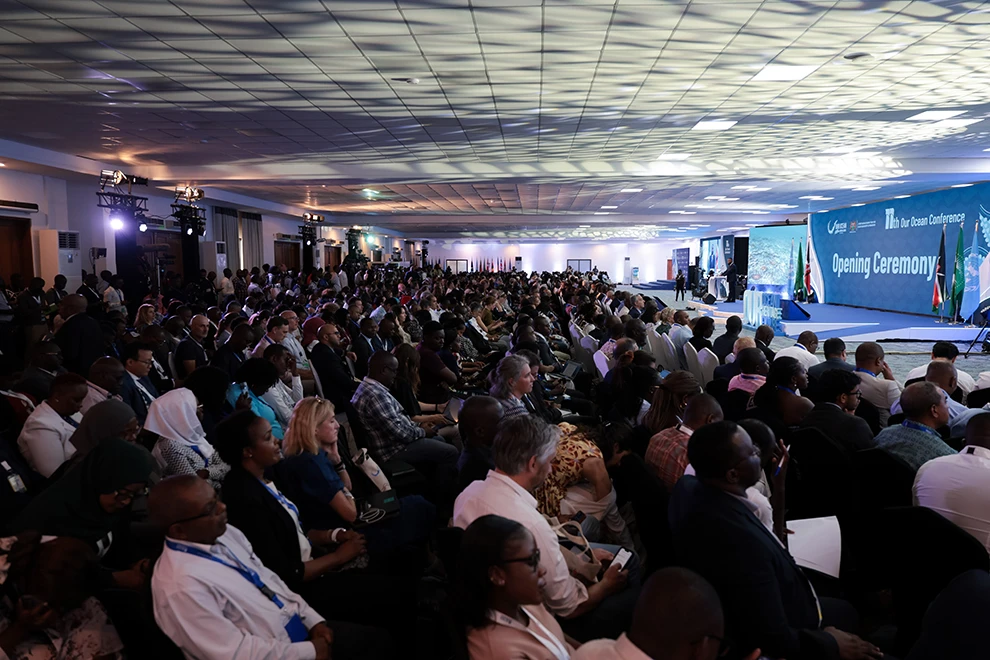
Kenya’s strategic goals for the conference were outlined:
- Engage the private sector and deliver investment in the sustainable blue economy
- Empower and elevate young ocean leaders
- Catalyze ocean finance
- Combat illegal, unreported and unregulated fishing (IUU) through regional collaboration
- Advance marine conservation and restoration efforts that deliver on 30x30 goals
Each of the speakers stressed the importance of transforming commitments into action, outlining global challenges in ocean conservation, and strengthening transparency and accountability.
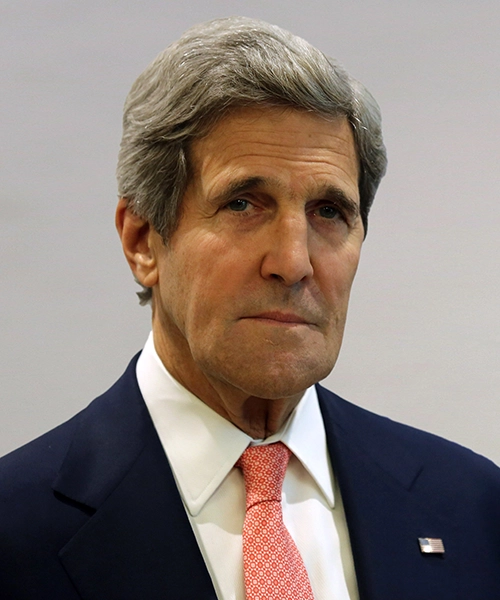
"The challenge is when the political will can finally catch up with the science. Because every major issue governments are wrestling with today actually has an ocean dimension: energy security, food security, economic growth, trade, national security ... The ocean is not on the sidelines of the world’s biggest challenges. It’s at the center of it.”
High-Level Side Event
Indonesia’s Leadership in Integrated Ocean Governance
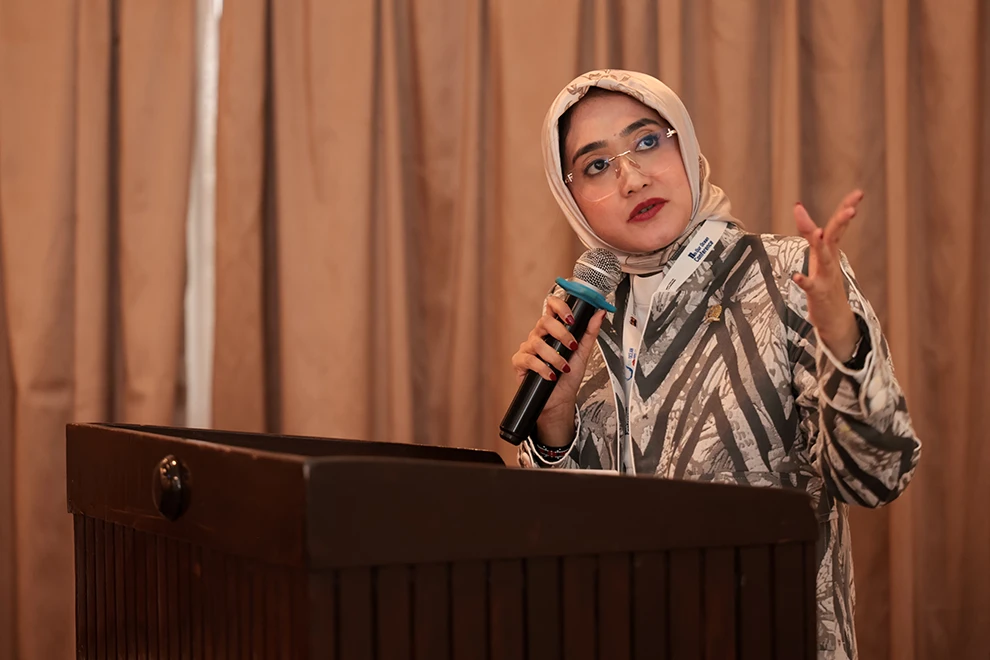
Hon. Rina Sa’adah, Member of Commission IV and the Budget Committee of the Indonesian House of Representatives
The high-level side event, "Indonesia’s Leadership in Integrated Ocean Governance," co-organised by the ICCF Group, Blue Nature Alliance, Konservasi Indonesia, WWF Indonesia, and the Ministry of Marine Affairs and Fisheries of the Republic of Indonesia, was convened on June 16th to showcase Indonesia’s approach to connecting marine conservation, sustainable fisheries, marine spatial planning, blue economy development, and long-term ocean finance within an integrated governance framework.
The session was moderated by Ms. Laure Katz, Executive Director of Blue Nature Alliance. The speakers were Hon. Prof. Rokhmin Dahuri, Member of Commission IV of the Indonesian House of Representatives and former Minister of Marine Affairs and Fisheries and Strategic Advisor to the DPR-RI Ocean Caucus; Hon. Rina Sa’adah, Member of Commission IV and the Budget Committee of the Indonesian House of Representatives, and Member of the DPR-RI Ocean Caucus; Ms. Kartika Listriana, Director General of Marine Spatial Planning at the Ministry of Marine Affairs and Fisheries; and Ms. Meizani Irmadhiany, Special Staff to the Coordinating Minister for Food and Senior Vice President and Executive Chair of Konservasi Indonesia. Also in attendance were parliamentarians from Colombia, Kenya and Mexico.
The discussion centered on Indonesia’s “30 by 45” vision to protect 30 percent of its marine space by 2045, with Large-Scale Marine Protected Areas (LSMPAs) positioned as a key instrument for delivering this ambition. The session explored how LSMPAs can be operationalised through Marine Spatial Planning, integrated into Indonesia’s national spatial planning framework, and supported by sustainable and innovative financing.
The event reinforced that LSMPAs are not only conservation areas, but strategic national assets that can support biodiversity, fisheries productivity, food security, coastal livelihoods, blue-carbon protection, and sustainable economic development. Delivering their full potential will require coordinated action among government, parliament, communities, conservation organisations, financing institutions, and international partners.
Interparliamentary Panel
Blue Finance Solutions: Enabling Policy Frameworks and Sustainable Financing for Marine Protected Areas
On June 17th, the ICCF Group held an Inter-Parliamentary Policy Panel on Marine Protected Areas (MPAs), titled "Blue Finance Solutions: Enabling Policy Frameworks and Sustainable Financing for Marine Protected Areas" at the Bloomberg Pavillion of the OOC. The event brought together parliamentarians, government representatives, international organizations, civil society organizations, the private sector, and conservation finance experts to exchange experiences and explore innovative solutions to strengthen the long-term financial sustainability of marine protected areas.
Organized under the Global Environment Facility (GEF)-funded, UNEP-implemented project "Enhancing Political Will for Sustainable Financing of Protected Areas," the panel highlighted the critical role of parliaments in advancing legislative frameworks, public budget allocations, and financial mechanisms that can mobilize sustainable investments for marine conservation. Discussions focused on opportunities and challenges related to public finance instruments, blue bonds, public-private partnerships, payments for ecosystem services, and other innovative financing tools that can support ocean resilience and sustainable coastal economies.
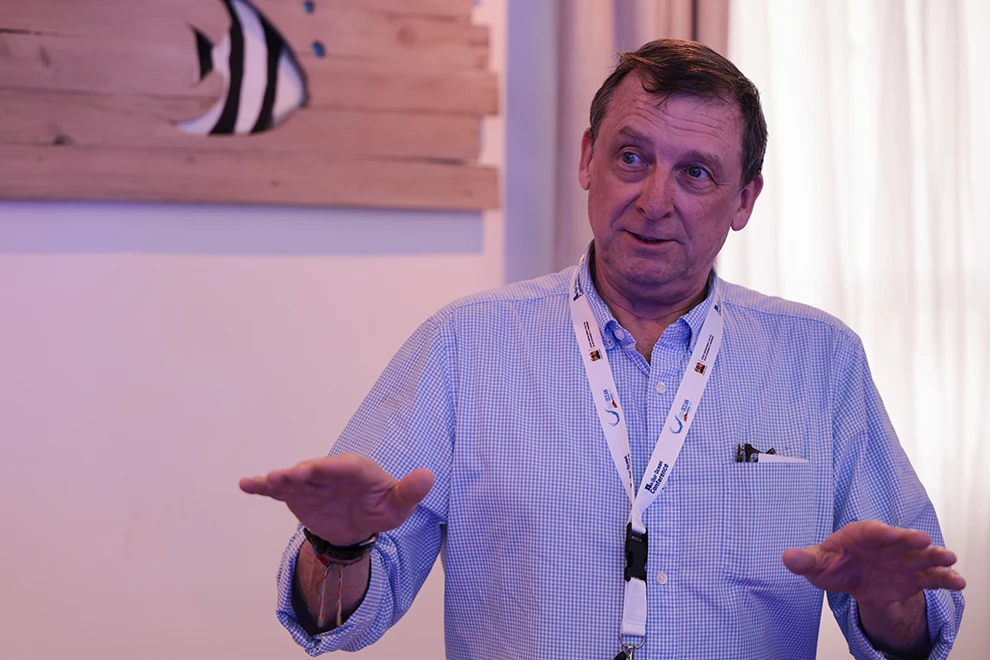
Jaime Cavelier, Vice President of Strategic Partnerships at the ICCF Group
The panel was moderated by Jaime Cavelier, Vice President of Strategic Partnerships at the ICCF Group, and featured a keynote presentation by David Meyers, Executive Director of the Conservation Finance Alliance. Parliamentary panelists included Hon. Charity Chepkwony Kathambi, Hon. Shimbwa Omar, and Hon. Dorothy Ikiara from Kenya; Hon. Rina Sa'adah and Hon. Prof. Rokhmin Dahuri from Indonesia; Sen. Germán Blanco Alvarez and Rep. Julio Roberto Salazar Perdomo from Colombia; Sen.Sergio Gahona Salazar from Chile; and Dep. Azucena Arreola Trinidad and Hon. Publio Rivera, Director of Parliamentary Affairs at the Ministry of Environment and Natural Resources (SEMARNAT), from Mexico. Hon. Millie Odhiambo from Kenya and Hon. Ricardo Lagos Weber from Chile were also in attendance. The speakers shared national experiences, lessons learned, and perspectives on the role of legislative and policy institutions in creating enabling conditions for the sustainable financing of MPAs, while highlighting opportunities to strengthen ocean governance, conservation outcomes, and the transition toward a resilient and inclusive blue economy.
Breakfast Briefing
Launch of the Regional Sustainable Blue Economy Report for Latin America and the Caribbean
On June 18th, the Latin American parliamentary delegation convened by the ICCF Group —bringing together legislators from Mexico, Colombia, and Chile—attended the Development Bank of Latin America and the Caribbean (CAF) presentation of its Regional Report on Sustainable Blue Economy in Latin America and the Caribbean.
The launch, featuring representatives from CAF and the World Resources Institute (WRI), parliamentarians, and Costa Rica’s Minister of Environment, underscored the importance of regional collaboration to advance sustainable ocean governance and blue economy solutions.
The report highlights the tremendous opportunity for Latin America and the Caribbean to lead the global blue economy agenda, noting that the region is home to approximately 40% of the world’s biodiversity and possesses vast potential for sustainable ocean-based development. At the same time, it calls for stronger governance, innovative financing mechanisms, and greater investment in ocean conservation and resilient coastal economies.
Field Visit
Kenya Wildlife Service Briefing and Mombasa Marine National Park & Reserve
On the final day of the OOC, the ICCF Group organized a parliamentary briefing by Sergeant Bakari from the Kenya Wildlife Service on the conservation and management of marine ecosystems, and the financing and sustainability of the Mombasa Marine National Park & Reserve in particular. The protected area was officially gazetted in 1986 under the Wildlife Conservation and Management Act to conserve the area’s significant coral reef systems and marine biodiversity. The establishment of the protected area was critical to safeguarding marine ecosystems from over-exploitation, habitat degradation, and unsustainable use.
The protected area includes two management zones: the Marine Park (~10km²), which is a fully protected zone where all extractive activities are prohibited, and the Marine Reserve (~200km²), which serves as a multiple-use buffer zone where regulated fishing and other controlled activities are permitted in line with conservation objectives.
Following the briefing, the delegation embarked on a guided boat tour of the marine park and reserve, where the members were able to experience the coral reef system, seagrass beds, marine and intertidal biodiversity (including Bluefin Kingfish, Striped Zebra fish, Day Octopus, and brittle seastars) and witness MPA management in action. The field visit concluded with a question and answer session with KWS Sergeant Bakari.
Acknowledgements
We express our sincere appreciation to the Bloomberg Ocean Fund for making the ICCF Group’s side events possible at the Our Ocean Conference, and to the World Resources Institute for facilitating the participation of our international delegation of parliamentarians.
 Regional Headquarters