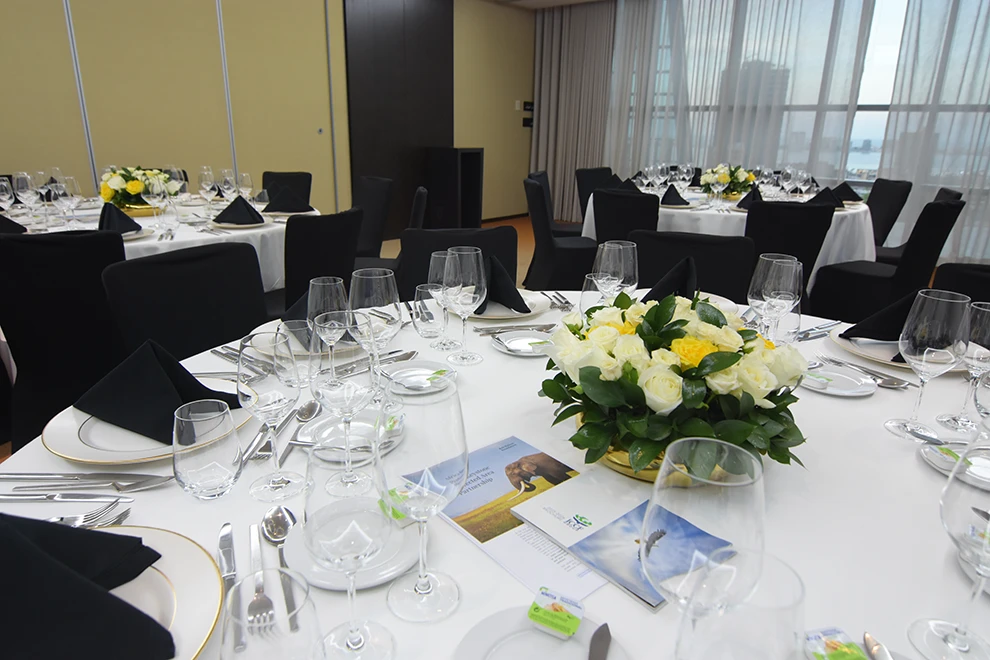
On December 11, 2025, the ICCF Group hosted a high-level working dinner at the InterContinental Hotel in Luanda, bringing together Honorable Co-Chairs and Members of the Angolan Parliamentary Caucus for Conservation and Sustainable Environment, Hon. Chargé d’Affaires at the U.S. Embassy, Angola, Ms. Shannon Nagy Cazeau, and key partners and stakeholders in the conservation and development sectors including Rainforest Trust, ExxonMobil, Fundação Lisima, WWF, McKinsey, and INBAC.
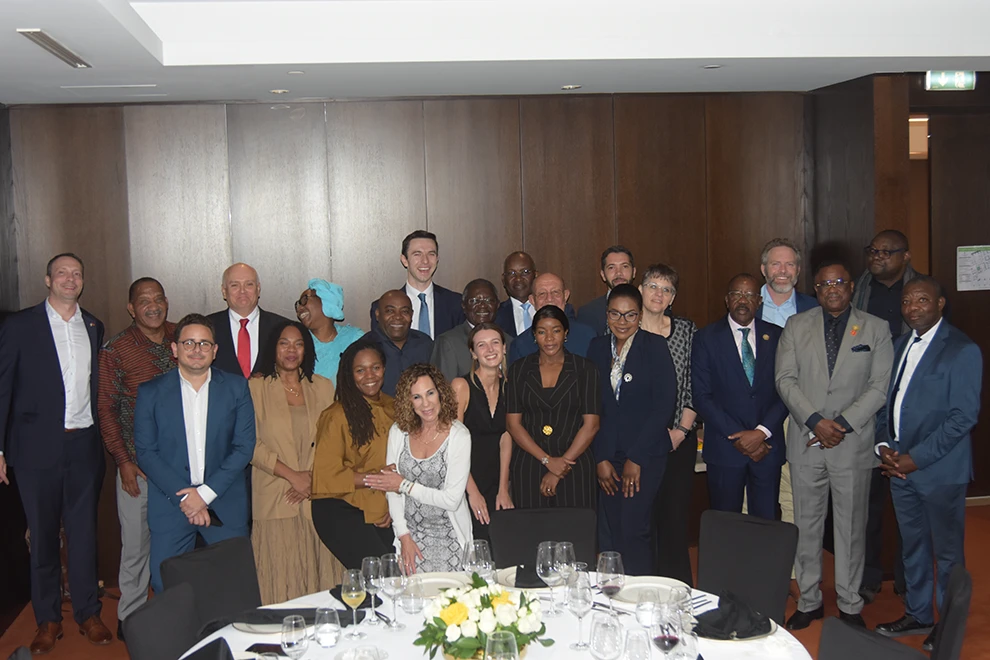
At the dinner, the ICCF Group introduced MPs and stakeholders to the Africa Keystone Protected Area Partnership, a continent-wide initiative launched by 5 African presidents at an ICCF Group event in September and supported by the Rob Walton Foundation as founding partner. The initiative aims to safeguard 162 irreplaceable African protected areas, while strengthening conservation management, promoting sustainable development, and enhancing community resilience.
A central focus of the discussion was developing a roadmap for collaboratively implementing the Keystone Partnership in Angola. Of the 162 keystone protected areas, four are located in Angola:
- Iona National Park (Namibe),
- Luando Integral Nature Reserve (Malanje),
- Cameia National Park (Moxico Leste),
- and Luengue–Luiana National Park (Cuando).
In addition, two important landscapes on the Angolan plateau, Lisima and Mussumo, which include critical miombo forests and the headwaters of major African river systems, were highlighted as areas of future conservation importance. During the presentations, participants were briefed on the scale and ambition of the partnership, which targets an investment of USD 1.2 billion annually into Africa’s protected areas. The Rob Walton Foundation has committed to providing 25% of this annual investment, representing one of the largest conservation and sustainable development financing efforts ever undertaken on the continent. The discussion also emphasized the importance of collaborative co-management models, drawing on Angola’s successful experience in Iona National Park, which has been co-managed since 2020 by INBAC and African Parks. This model has led to measurable improvements in biodiversity protection, infrastructure development, and ecotourism, positioning Iona as a flagship example of effective conservation in Angola.
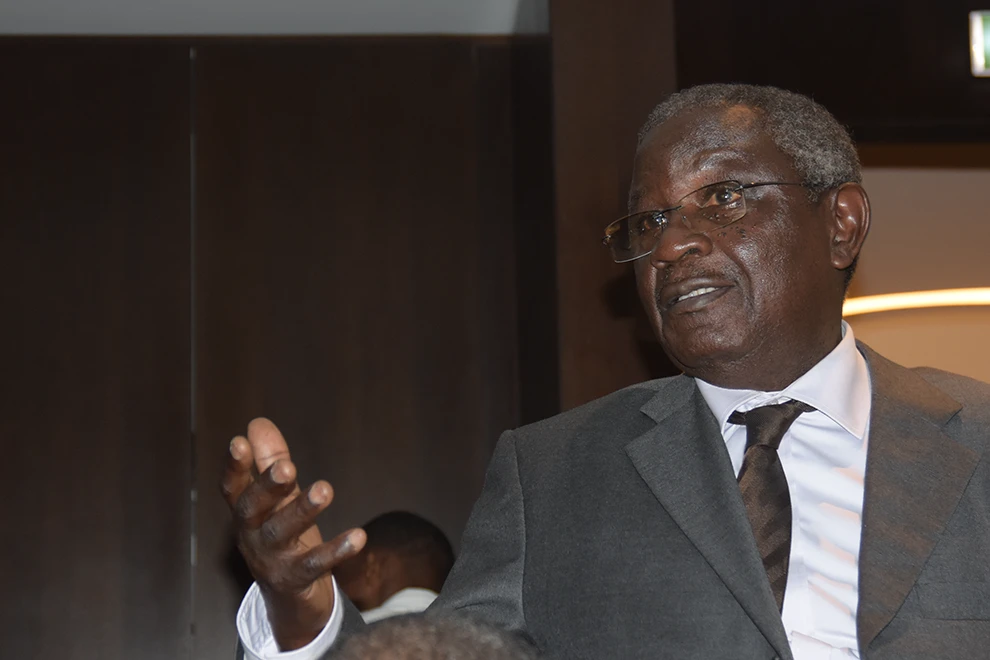
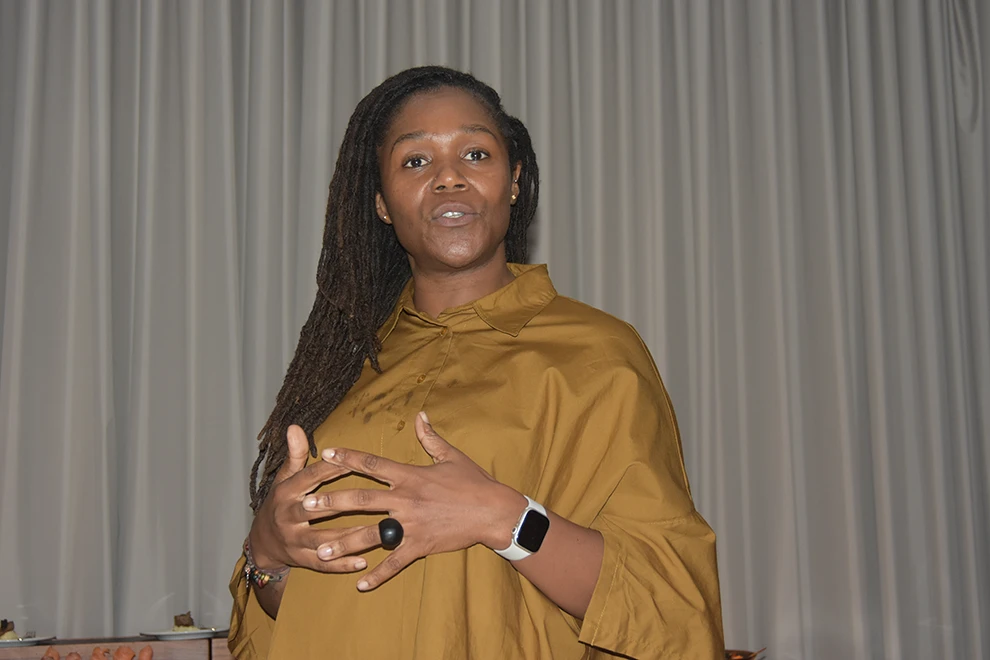
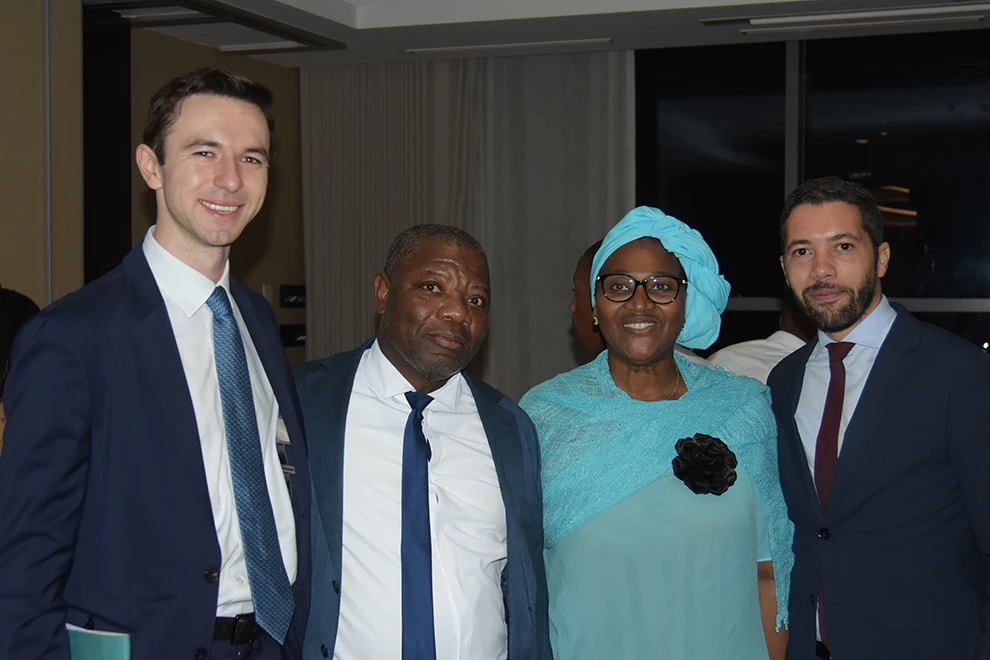
In picture: Hon. Eugénio Manuvakola, vice chair of the Angola caucus
Beyond conservation, the partnership’s broader objectives were highlighted, including:
- Strengthening government capacity to manage protected areas in line with international best practices;
- Investing in skills development, training, and conservation education;
- Supporting local economies through ecotourism, sustainable agriculture, and job creation for communities surrounding protected areas.
The evening concluded with a forward-looking dialogue on the role of Parliament in enabling this initiative, including facilitating the role of Angola in investment-friendly frameworks, supporting collaborative management agreements, and advancing the formal protection of new conservation landscapes. The working dinner discussion reinforced Angola’s leadership and commitment to biodiversity conservation, sustainable development, and long-term community resilience.
 Regional Headquarters